
Are rising energy bills and increasing storm damage putting your home at risk? Climate change is transforming how we design and protect our buildings, making traditional roofing choices less effective.
Imagine a roof that not only shields your home from harsh weather but also cuts energy costs and reduces your environmental footprint. Sustainable, resilient roofing systems are now empowering homeowners and builders to enhance energy performance while standing strong against extreme weather.
By choosing eco-smart roofing options, you can enjoy a more comfortable home, save money on utilities, and contribute to a healthier planet. These innovative materials and designs offer long-term benefits that go beyond simple protection.
This article guides you through how climate factors influence roofing decisions and presents practical, sustainable solutions that help you save money and protect your home. Read on to discover the best paths to climate-resilient, energy-efficient roofing.
Which Sustainable Roofing Materials Work Best for Climate Adaptation?
Sustainable roofing improves thermal performance and longevity while cutting operational energy use and lifecycle carbon. Choosing the right material extends service life and lowers long-term costs.
Which eco-friendly roofing materials offer the strongest thermal resistance?
Materials with high thermal resistance keep indoor temperatures steady and reduce cooling demand. Standout options include:
- Cool Roofs: Very reflective surfaces that limit solar heat gain and keep interiors cooler.
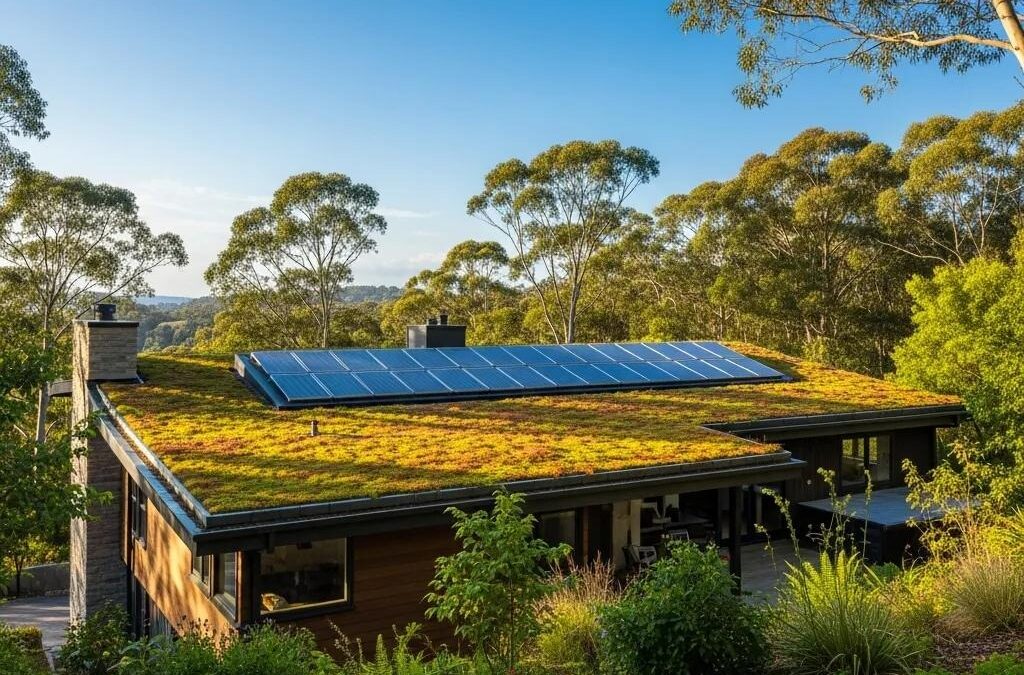
- Green Roofs: Vegetated layers that add insulation, reduce surface temperatures, and buffer heat fluctuations.
- Recycled Metal Roofing: Durable, often reflective panels made from reclaimed metals for reduced embodied carbon.
Each choice can lower cooling loads and support sustainability targets with relatively modest operating costs.
How do green roofing systems reduce environmental impacts?
Green roofs help cool urban areas, improve air quality, create habitat, and reduce stormwater runoff and erosion. Properly designed installations can significantly cut building energy use and adapt to a range of climates.
Research validates the performance and adaptability of green roofs across different conditions.
Green Roof Performance in Diverse Climates
A review of green roof applications for managing urban stormwater across different climatic zones highlights performance variations and offers guidance for stormwater managers and policymakers on implementing green roofs.
A review of green roof applications for managing urban stormwater in different climatic zones, M Akther, 2018
How Can Energy-Efficient Roofing Improve Comfort and Cut Costs?
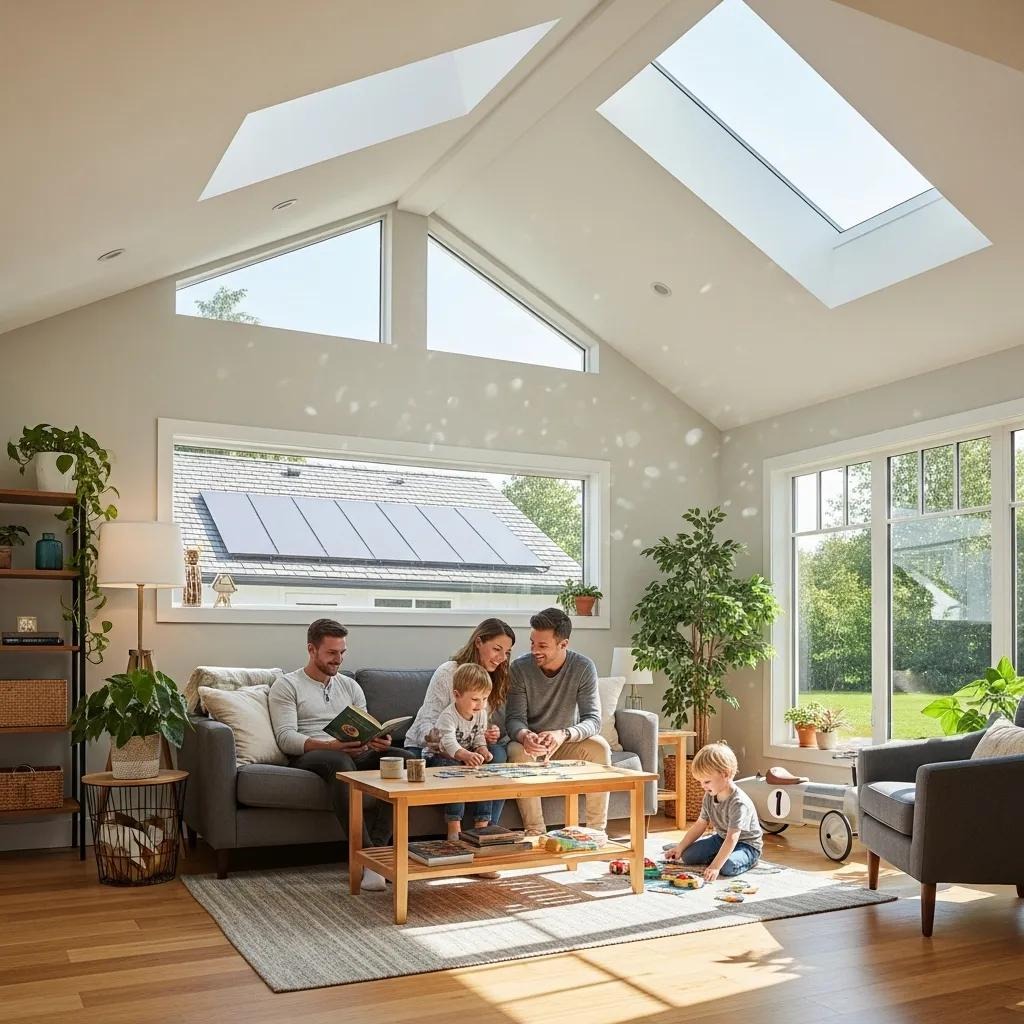
Energy-efficient roofs stabilize indoor temperatures and reduce HVAC loads by combining better insulation with reflective surfaces. Thoughtful material selection and assembly lower operating costs and make living spaces more comfortable year-round.
What insulation techniques most effectively boost roofing energy performance?
Key insulation strategies include:
- Spray Foam Insulation: Creates an airtight thermal barrier that seals gaps.
- Reflective Insulation: Redirects radiant heat away from occupied spaces.
- Rigid Foam Board Insulation: Delivers high R-value in compact roof assemblies.
Paired with solar-control measures, these techniques reduce heat transfer and improve comfort across seasons.
Multiple case studies show measurable comfort and performance gains when insulation targets the main heat paths in a building envelope.
Climate-Resilient Roofing for Thermal Comfort
Evidence from refurbishment projects indicates that roof insulation and low-solar-reflectance coatings improve thermal comfort in low-income tropical housing. These strategies formed part of a broader set of refurbishment measures assessed in the study.
Climate resilient low-income tropical housing, A Hashemi, 2016
Which roofing materials deliver the best solar reflectivity and thermal performance?
High-reflectance materials lower cooling demand and produce lifecycle energy savings. Common, effective choices are:
- White or Light-Colored Shingles: A low-cost way to boost reflectivity and reduce heat gain.
- Metal Roofing: Long-lasting, reflective panels that are often recyclable.
- Tile Roofing: Clay or concrete tiles with reflective coatings to improve thermal performance.
Choosing proven reflective materials and combining them with proper insulation yields consistent energy benefits.
Which Climate-Resilient Roofing Solutions Shield Homes from Extreme Weather?
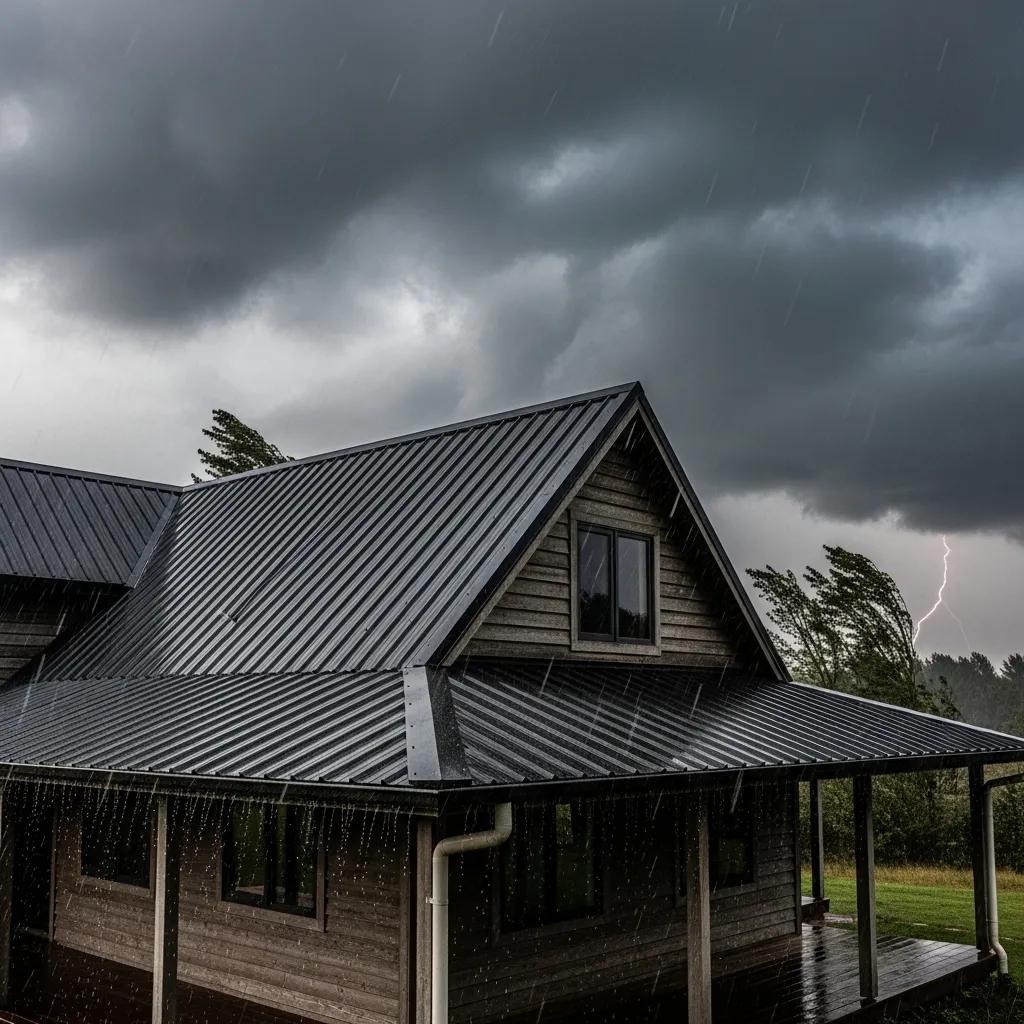
With storms growing more frequent and intense, roofs must be specified for wind, water, and impact resistance. Resilient designs lengthen asset life and reduce repair costs after severe events.
How do storm-resistant roofing types withstand growing climate risks?
Durable materials cut vulnerability to hail, wind uplift, and debris. Consider options like:
- Impact-Resistant Shingles: Engineered to tolerate hail and flying debris.
- Metal Roofing: Offers strong wind resistance and a long service life.
- Slate Roofing: Exceptionally durable where structure and weight allow.
Right-sizing materials to local hazards reduces repair cycles and can lower insurance exposure.
What design adaptations raise roof durability under severe weather?
Design is as important as material selection. Effective adaptations include:
- Proper Ventilation: Limits heat and moisture buildup that shortens material life.
- Reinforced Structures: Strengthened framing to resist high winds and heavy snow.
- Slope Design: Adequate pitch to promote runoff and prevent water intrusion.
These measures strengthen performance and reduce long-term maintenance needs.
What Are the Benefits and Cost Considerations of Green Roofing in a Changing Climate?
Green roofs provide both environmental and economic advantages over time, though installation and upkeep costs need to be balanced against energy savings, stormwater benefits, and potential property value gains.
For in-depth guidance on roofing options and sustainable practices, Dream Design Labs offers expert resources and practical advice.
How does green roofing deliver long-term economic and environmental value?
Green systems can lower energy demand, reduce maintenance on underlying membranes, and qualify for incentives while improving air quality and curb appeal. Over time, these effects often translate into meaningful returns for many properties.
What maintenance practices preserve climate-adapted roof performance?
Regular maintenance keeps systems functioning and extends life. Core practices include:
- Routine Inspections: Scheduled checks to catch issues early.
- Debris Removal: Clearing leaves and sediment to prevent water pooling and blockages.
- Vegetation Management: Pruning and replacing plants to keep green roofs healthy and effective.
Consistent upkeep protects your investment in climate-adapted roofing.
Frequently Asked Questions
What are the environmental benefits of using sustainable roofing materials?
Sustainable materials lower operational energy demand and greenhouse gas emissions, improve air quality, and reduce lifecycle impacts when made from recyclable or renewable components. Better insulation also cuts operational emissions over the building’s life.
How can homeowners assess the energy efficiency of their current roofing?
Assessment methods include thermal imaging to spot heat loss, inspecting insulation and ventilation, and evaluating roof condition. A professional energy audit delivers tailored upgrade recommendations.
What role do local climate conditions play in roofing material selection?
Local climate drives priorities: waterproofing and drainage in wet regions; high reflectivity and insulation in hot zones; and wind- and impact-resistant choices where storms are common. Match materials and details to local risks for best durability and efficiency.
Are there any financial incentives for installing green roofs?
Many jurisdictions offer tax credits, grants, or rebates for green roof installation. Check local programs to find available support and combine incentives with projected operating savings to improve payback.
What are the common challenges associated with green roofing maintenance?
Typical challenges include plant health, ensuring reliable drainage, and managing pests. Regular monitoring and occasional specialist services help prevent moisture problems and preserve long-term function.
How do energy-efficient roofs affect home resale value?
Energy-efficient roofs are attractive to buyers seeking lower operating costs and sustainability, often improving marketability and commanding higher prices when efficiency is documented.
Conclusion
Choosing sustainable, resilient roofing is a practical response to climate-driven risks and rising energy costs. When materials and designs are specified correctly, they reduce operating expenses, enhance comfort, and limit weather-related damage—delivering measurable environmental and financial returns. For expert help selecting the right roofing solutions, explore our resources and guidance today.